

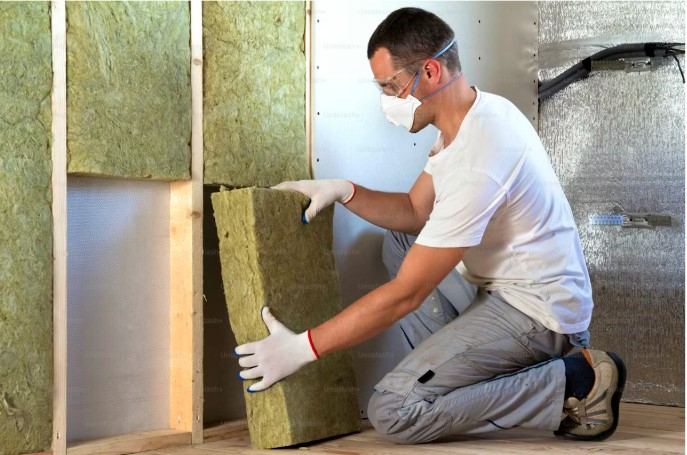
Home insulation plays a major role in maintaining comfort, energy efficiency, and overall property value. Many homeowners overlook insulation until they experience high energy bills, uneven indoor temperatures, or persistent moisture issues. Over time, insulation materials degrade, settle, or become outdated compared to modern standards. Investing in new insulation is not just a home improvement—it is a long-term investment that pays off in comfort, savings, and durability.
Below are five key reasons why homeowners should seriously consider upgrading their insulation.
1. Lower Energy Bills and Improved Efficiency
One of the most compelling reasons to invest in new insulation is the reduction in energy costs. Old or inadequate insulation allows heat to escape during winter and enter during summer, forcing heating and cooling systems to work harder.
New insulation creates a stronger thermal barrier, helping your home maintain a consistent indoor temperature. This improved efficiency reduces the strain on HVAC systems and leads to noticeable savings on monthly utility bills. Over time, these savings can offset the cost of the insulation upgrade.
2. Enhanced Indoor Comfort Year-Round
Uneven temperatures, cold drafts, and overheated rooms are often signs of poor insulation. New insulation helps regulate indoor temperatures more effectively, ensuring every room in the house feels comfortable regardless of the season.
It also reduces cold spots in winter and excessive heat buildup in summer. By upgrading insulation, homeowners can enjoy a more balanced and comfortable living environment without constantly adjusting thermostats.
3. Upgrade to Spray Foam Insulation for Superior Performance
Choosing modern insulation options such as spray foam insulation can significantly enhance performance compared to traditional materials. Spray foam insulation expands to fill gaps, cracks, and hard-to-reach areas, creating an airtight seal that minimizes air leakage. This makes it highly effective for improving energy efficiency and indoor comfort.
In addition, spray foam insulation helps block moisture infiltration, reduces allergens, and adds structural strength to walls and roofs. For homeowners seeking long-term efficiency and durability, spray foam insulation is a smart and reliable investment.
4. Increased Home Value and Market Appeal
Energy-efficient homes are increasingly attractive to buyers. New insulation is a valuable upgrade that improves a home’s energy rating and overall appeal. Potential buyers often look for properties with lower operating costs and modern improvements already in place.
Investing in new insulation can boost resale value and make your home more competitive in the housing market. Even if you are not planning to sell immediately, insulation upgrades contribute to the long-term value of your property.
5. Better Moisture Control and Noise Reduction
New insulation does more than regulate temperature—it also helps control moisture and reduce noise. Proper insulation prevents condensation buildup, which can lead to mold growth, wood rot, and structural damage. This is especially important in areas with high humidity or temperature fluctuations.
Additionally, modern insulation materials provide soundproofing benefits by reducing outside noise and limiting sound transfer between rooms. The result is a quieter, healthier, and more durable home environment.
Conclusion
Investing in new insulation is a practical and forward-thinking decision for homeowners. From lowering energy bills and improving comfort to upgrading with spray foam insulation, increasing property value, and enhancing moisture and noise control, the benefits are substantial. Insulation is not just about staying warm or cool—it is about creating a more efficient, comfortable, and resilient home.