

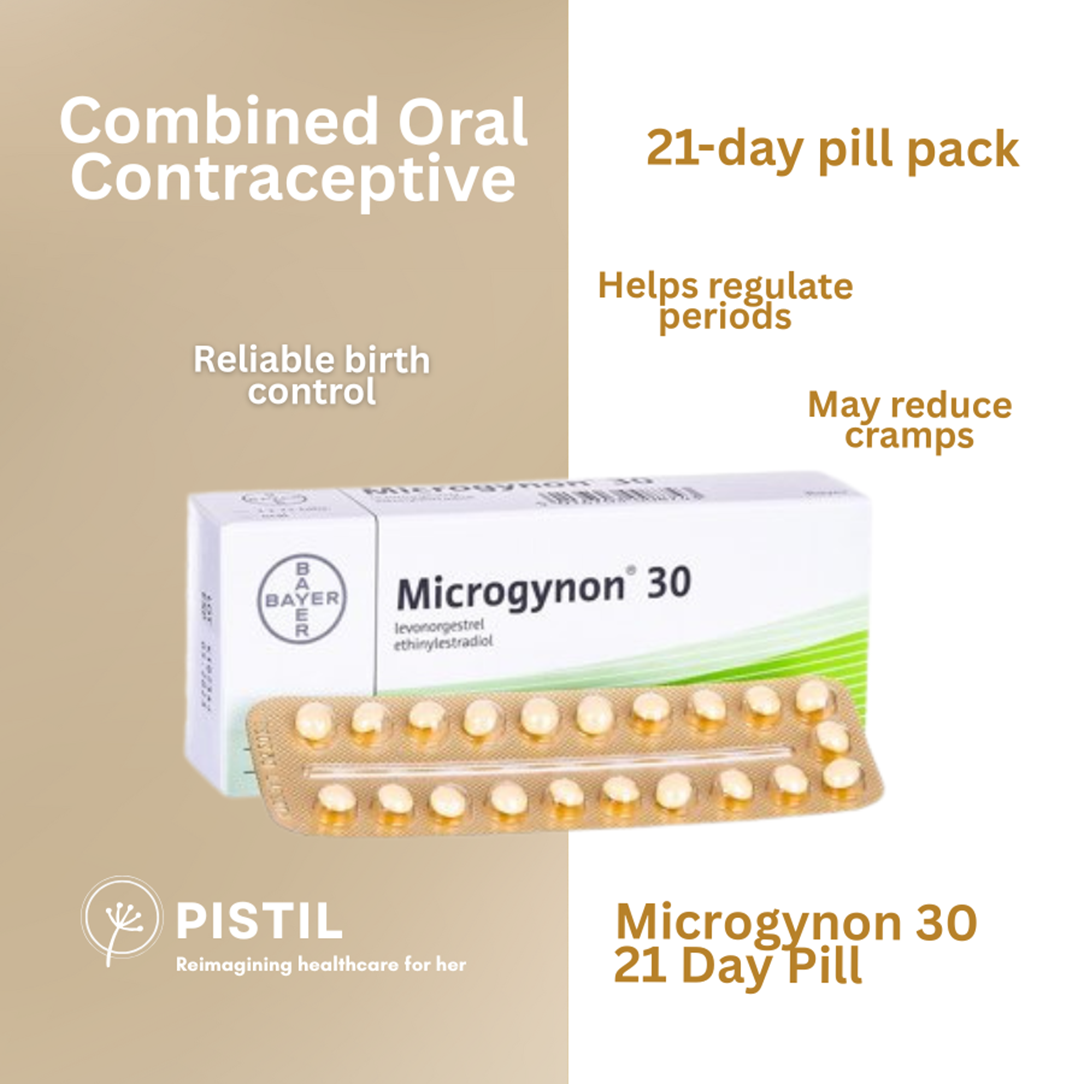
A lot of people search Microgynon when they want a plain answer about the combined pill, not a long speech full of medical jargon. That is fair, because contraception questions usually feel personal and a bit time-sensitive anyway. Microgynon 30 is a combined oral contraceptive pill containing levonorgestrel 150 micrograms and ethinylestradiol 30 micrograms. It is used to prevent pregnancy, and the patient leaflet describes it as a standard combined pill rather than an emergency option.
What the name means in practical terms
People sometimes hear the brand and assume the details do not matter much. They do. Microgynon contains two hormones, and the leaflet explains that combined pills help prevent pregnancy in more than one way, including stopping ovulation and making it harder for sperm to reach the womb. That sounds clinical, but the simple version is easy enough. Microgynon 30 is a routine contraceptive pill for regular use, not something taken after sex the way emergency contraception is.
The daily routine matters more than people expect
This is where small mistakes start causing stress later. The patient leaflet says Microgynon 30 is usually taken for 21 days, followed by a seven-day break, and then the next strip starts on time even if bleeding has not fully stopped. That timing is one of the most practical parts of using the pill properly. If the next strip starts late, the whole routine gets shakier very quickly. People often focus on the brand name first, though the schedule is what shapes everyday use.
Missed pills are one of the biggest real-world issues
This part comes up constantly because real life is messy. NHS guidance says what to do after missing a combined pill depends on how many pills were missed and where someone is in the pack. The NHS also says to check the pill leaflet or ask a pharmacist, because emergency contraception may sometimes be needed. So with Microgynon, forgetting one pill is not something to shrug off without checking, especially if there has been sex or if several pills were missed close together.
Not every person should use this pill
People sometimes talk about the pill as if it were just one casual lifestyle item. It is still a medicine choice. The Microgynon patient leaflet says some women should not take the pill because of current medical problems or illnesses, and it also notes that combined pills can increase the risk of issues such as blood clots and breast cancer. That does not mean the pill is automatically unsuitable. It means health history matters and proper prescribing matters too.
Vomiting and illness can complicate things a bit
This is the sort of detail people often notice only after the fact. Recent NHS sexual health guidance says if vomiting happens within three hours of taking the contraceptive pill, or if severe diarrhoea lasts more than 24 hours, missed-pill guidance should be followed. That matters because the problem is not just the tablet itself. It is whether the body had enough time to absorb it properly. For someone using Microgynon 30, that is a practical thing to remember, not some tiny footnote hidden in the leaflet.
Conclusion
A useful way to think about this pill is to treat it like a routine medicine that only works well when the routine is actually followed. On pistil.io, people should look at Microgynon in terms of ingredients, timing, missed-pill advice, and whether it suits their health history before focusing too much on the brand name alone. Microgynon 30 is a combined pill with levonorgestrel and ethinylestradiol, usually taken for 21 days followed by a seven-day break, and missed doses can change what someone should do next. Read the patient leaflet carefully, keep your schedule consistent, and speak to a pharmacist or clinician for proper contraceptive advice.