

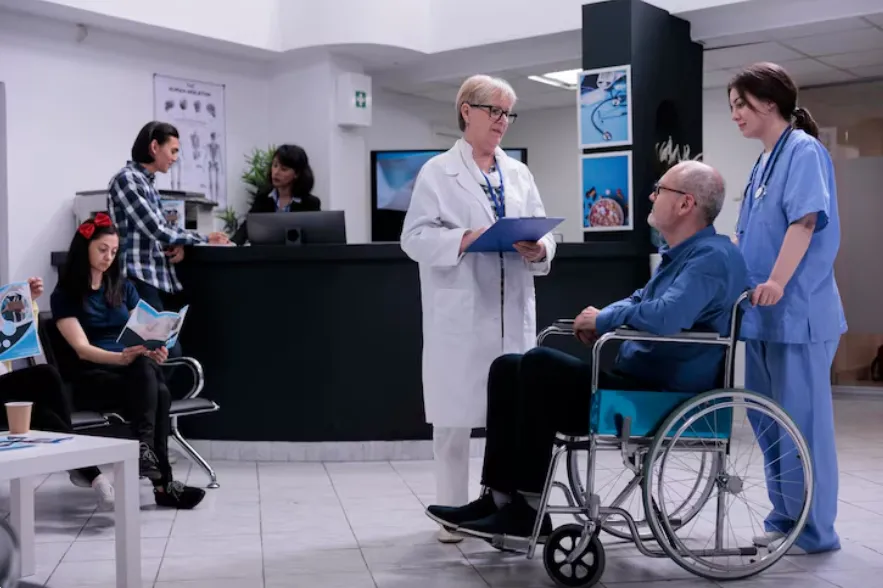
Getting sick or injured is never part of anyone’s plan. One minute you’re enjoying your day, and the next you’re wondering whether that sore throat needs a doctor or if a twisted ankle can wait. Knowing where to go for care can save time, reduce worry, and help you get the right treatment sooner.
Different health concerns need different kinds of care, and understanding your options makes those stressful moments a little easier to handle.
Everyday Health Needs
Not every health problem is an emergency, but that does not mean it should be ignored. People deal with everything from seasonal colds and stomach bugs to allergies, small injuries, and ongoing medical conditions. Choosing the right place for treatment helps you receive care without unnecessary delays.
Think of healthcare like using the right tool for a job. You would not use a giant shovel to plant one flower. In the same way, different medical situations call for different types of care. Knowing where to go can help you feel more confident when unexpected health issues appear.
Medical Walk-in Center
A medical walk-in center is often a practical choice when you need prompt care for a health concern that is not life-threatening. Common reasons to visit include colds, sore throats, ear infections, minor cuts, sprains, mild burns, or skin rashes. These problems usually need medical attention, but they rarely require an emergency room.
Walk-in care can also help with routine health concerns when you cannot get a quick appointment with your regular doctor. If someone has severe chest pain, trouble breathing, or signs of a stroke, however, emergency services remain the safest option.
Long-Term Support
Some health conditions require regular appointments, careful monitoring, and a treatment plan that changes as a person’s needs change. Managing conditions such as diabetes, high blood pressure, or recovery from certain illnesses often works best with consistent professional support.
Regular check-ins allow healthcare providers to answer questions, adjust treatment when needed, and encourage healthy habits. Recovery is rarely a straight path. There may be good days and difficult ones, but having trusted medical guidance along the way makes those challenges easier to manage.
How a Suboxone Center Helps
For people recovering from opioid dependence, a suboxone center can provide specialized medical care and ongoing support. These centers focus on treatment plans that may include medication, regular medical supervision, counseling, and education about long-term recovery.
Recovery looks different for everyone, and there is no reason to face it alone. Seeking help is a positive step, not a sign of weakness. Supportive care, patience, and consistent follow-up can make a meaningful difference while reducing the stigma that often surrounds addiction treatment.
Better Health Choices
If you are unsure where to go, contact a healthcare provider and explain your symptoms. Following treatment instructions carefully and attending follow-up visits can improve recovery and help prevent future problems.
It is also helpful to pay attention to changes in your health instead of waiting for symptoms to become worse. Seeking care early often leads to simpler treatment and greater peace of mind. A little knowledge today can make tomorrow’s unexpected health concerns feel much less overwhelming.